

Article written by Fanny Lacoste - Child sleep consultant.
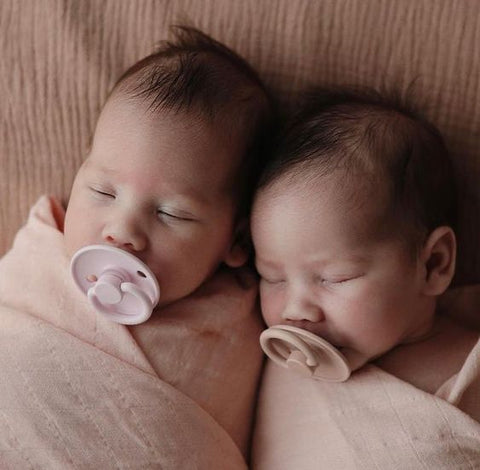
Favored by some parents, criticized by others… It is certain that the baby pacifier continues to be a topic of debate! While it helps, among other things, to satisfy the child's sucking need, it is also criticized for the discomforts it can cause. Several studies have looked into the impact it may have on breastfeeding. Here, I share what you need to know about the baby pacifier!
Why give a pacifier to the baby?
The importance of sucking
Sucking is an instinctive reflex that the infant acquires in utero. The fetus sucks its thumb and simultaneously swallows amniotic fluid: it is already preparing to nurse under optimal conditions! After birth, during the first two hours, the baby's need to suck is at its peak, which facilitates breastfeeding.
Subsequently, two types of sucking are distinguished:
Nutritive sucking
The infant sucks for a long time and swallows milk with each suck to feed.
Non-nutritive sucking
This need to suck is not associated with hunger. This action allows the baby to release endorphins. The happiness hormone helps the child calm down, feel safe, and reduce pain (thanks to its analgesic power). Sucking is thus linked to the healthy development of the infant. Therefore, the pacifier can help satisfy this non-nutritive need and provide comfort.
Other benefits of giving a pacifier to baby
The use of the pacifier has other advantages for the child. Among them, we can mention:
● The reduction of the risk of sudden infant death syndrome (even though, currently, researchers do not know the reasons why).
● An improved sleep: by sucking the pacifier, the infant feels reassured and falls asleep peacefully.
What are the disadvantages?
Nevertheless, despite some proven benefits, the pacifier can cause several complications for the baby... and their parents!
Teething and jaw problems
While initially it has no impact at this level, excessive use of the pacifier beyond the child's fourth year is not recommended. The teat exerts pressure on the teeth, which can alter the alignment of the teeth and deform the palate. It can also be responsible for the advancement of the upper jaw.
Delayed speech development
With the pacifier in the mouth, the child is less inclined to communicate. It is more difficult for them to imitate the sounds they hear because the movements of their tongue are limited.
Long-term disturbed sleep due to the pacifier
The pacifier helps the infant fall asleep peacefully, but over time it can become the source of many nighttime awakenings. Indeed, if the child is used to sleeping with their pacifier, they are very likely to wake up in the middle of the night if they realize they have lost it.
On this subject, I recommend starting to limit the systematic use of the pacifier with baby from six months old. To help with this, you can guide their hand to take the pacifier and then bring it to their mouth: they will thus learn to use their favorite object only when they feel the need. For the night, there are fluorescent pacifiers! Always place them in the same spot on the mattress so your child can easily find them at night and fall back asleep on their own.
Are your baby's nights still difficult? As a baby sleep expert, I am here to advise you and help you find solutions adapted to your situation.
Does the pacifier prevent breastfeeding?
It is often said that there is a risk of confusion with the breast. The reality is a bit more complicated. Most health professionals recommend not offering the pacifier before the baby's first four weeks of life. The reason is simple: it is necessary to avoid hindering the establishment of breastfeeding and to promote lactation.
And then? Research tends to show that the pacifier is not the primary cause of premature cessation of breastfeeding. However, it may contribute when combined with other factors or in cases where breastfeeding proves difficult for mothers.
What are the alternatives?
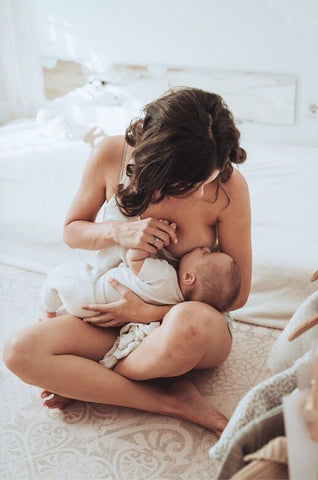
Most of the time, the thumb is cited as the main alternative to the pacifier, but it also has detractors due to its drawbacks (dependency, poor teeth positioning, etc.). There are other options:
● Skin-to-skin contact and babywearing are recognized for the many benefits they bring (the baby feels calm, secure, etc.);
● A stuffed animal can also be used as a transitional object;
● Breastfeeding.
In any case, the decision to offer the pacifier is yours, and remember that no matter your choice, it will always be the best for your child.

Fanny Lacoste
My primary goal will be to establish a climate of trust conducive to exchanges, respecting everyone's values. This way, I can better understand the origin of the difficulties that hinder the child's sleep and provide appropriate solutions to each family."


